
Regular oil changes are one of the most important parts of vehicle maintenance, but choosing the right oil can feel confusing. With labels like 5W-30 or 0W-20, many drivers aren’t sure what those numbers mean or which option is best.
In this guide, we’ll explain what oil weight is, how it affects your engine, and how to choose the right motor oil for your vehicle, especially in Oregon’s driving conditions.
What Is Oil Weight?
Oil weight, also known as viscosity, refers to how thick or thin motor oil is and how it flows at different temperatures.
You’ll typically see oil labeled with numbers like 5W-30 or 10W-40. These ratings are standardized by the Society of Automotive Engineers (SAE) and indicate how the oil performs in both cold and hot conditions.
Think of viscosity as the thickness of a liquid. Thinner liquids flow easily, while thicker liquids move more slowly. Motor oil is designed to strike the right balance so it can protect your engine in a range of temperatures.
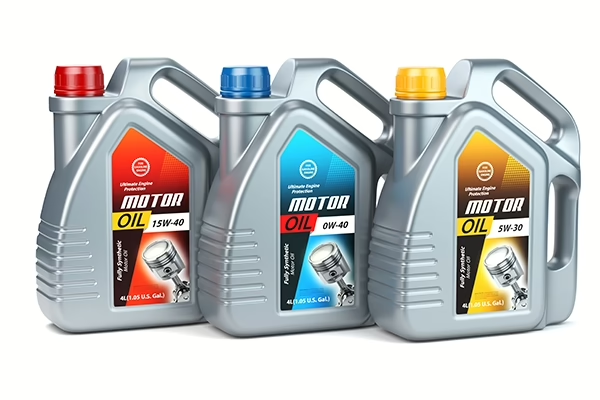
What Does 5W-30 Mean?
The First Number (5W) – Cold Performance
The “W” stands for winter, and the number before it indicates how the oil flows in cold temperatures.
Lower numbers, like 0W or 5W, flow more easily during cold starts, while higher numbers, like 10W, are thicker in cold conditions.
This is especially important during cool, damp Oregon mornings, when your engine needs oil to circulate quickly right after startup.
The Second Number (30) – Operating Temperature
The second number represents how thick the oil remains at normal engine operating temperature, around 212°F.
Higher numbers provide thicker protection in higher heat, while lower numbers improve efficiency.
Why Oil Weight Matters
Heat Protection
Even in milder climates, engines generate significant heat. The right oil maintains its viscosity and continues to protect engine components.
Cold Start Performance
Cool, wet mornings are common in Oregon. Oil with the right cold rating flows quickly during startup, reducing wear.
Engine Longevity
Proper oil viscosity helps maintain a protective layer between moving parts, reducing friction and helping your engine last longer.

How to Choose the Right Oil Weight
The best place to start is your owner’s manual. Your vehicle’s manufacturer recommends the ideal oil weight based on engine design, operating conditions, and performance requirements.
You can also often find the recommended oil weight printed on your engine oil cap.
Why Newer Vehicles Use Thinner Oil
Many newer vehicles now require lower viscosity oils like 0W-20 or 5W-20 instead of the thicker oils used in older engines.
Thinner oil reduces internal friction, helping engines run more efficiently and improving fuel economy. Modern engines are designed with tighter tolerances, allowing these oils to provide proper protection while boosting performance.
However, it’s important to follow your manufacturer’s recommendation. Using oil that is too thin for your engine can reduce protection and lead to increased wear.
Oil Changes in Eugene, Junction City, and Springfield
Choosing the right oil weight doesn’t have to be complicated. At Sun Automotive, our experienced technicians understand how Oregon’s cool, damp climate and seasonal changes affect your vehicle.
Whether you’re commuting locally or heading out on a longer drive, we’ll help ensure your engine gets the right oil to run smoothly and efficiently.
Ready for your next oil change? Stop by one of our locations in Eugene, Junction City, or Springfield, or give us a call today. We’ll take the guesswork out of oil selection and help keep your vehicle running strong year-round.