
Radiator and Cooling Service in Eugene, Springfield, and Junction City
Radiator & Cooling Service Near Me
Your engine produces a tremendous amount of heat, and your cooling system is what keeps that heat under control. The radiator, water pump, thermostat, hoses, and coolant all work together to keep your engine at a safe operating temperature, whether it’s a hot August afternoon or a frosty January morning.
When any part of the system fails, your engine can overheat quickly, and overheating can lead to some of the most costly repairs a vehicle can need. Coolant also breaks down over time and loses its ability to protect against corrosion, so regular service is an important part of preventive maintenance.
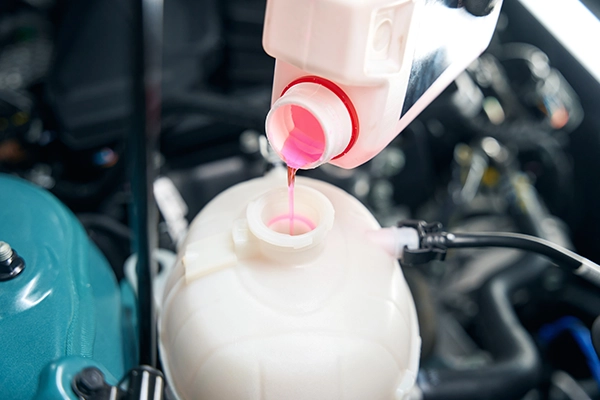
Signs of Cooling System Trouble
- Temperature gauge reading high
- Steam coming from under the hood
- Coolant puddles under your vehicle
- A sweet smell from the engine or vents
- Low coolant warning light
- Heater blowing cold air
Our Cooling System Services Include
- Cooling system inspections and pressure testing
- Coolant flush and exchange
- Radiator repair and replacement
- Water pump replacement
- Thermostat replacement
- Hose and belt replacement
Don’t Let Your Engine Overheat
Our Technicians will find leaks, test components, and make sure your cooling system is ready for whatever the Oregon weather brings. If your temperature gauge is climbing, pull over safely and give us a call.
Schedule online or call one of our four locations today and see why we offer “The Best Service Under the Sun!”
How to Find Us
Radiator & Cooling FAQs
What should I do if my vehicle starts overheating?
Pull over safely, shut the engine off, and let it cool. Don’t open the radiator cap while the system is hot, since it’s under pressure and can cause serious burns. Give us a call and we’ll help you figure out the next step.
How often should coolant be flushed?
Most manufacturers recommend somewhere between 30,000 and 100,000 miles depending on the type of coolant your vehicle uses. We’ll check your service history and your manufacturer’s schedule to get it right.
Can I just top off the coolant myself?
Topping off can get you by in a pinch, but coolant doesn’t disappear on its own. If your level is low, there’s a leak somewhere, and it’s worth finding before it turns into an overheated engine.
Why is my heater blowing cold air?
Your heater uses hot coolant from the engine, so low coolant, a stuck thermostat, a clogged heater core, or a water pump problem can all cause it. It’s often the first sign of a cooling system issue.
Does the cooling system matter in winter?
Absolutely. Coolant is also antifreeze, and the right mixture keeps the system from freezing and protects against internal corrosion all year long.