
Tires & Alignments in Eugene, Springfield, and Junction City
Alignment & Tire Service Near Me
Your tires are the only part of your vehicle that actually touches the road, so their condition affects everything from handling and braking to fuel economy. Proper tire care and a correct wheel alignment help your tires wear evenly, last longer, and keep a firm grip on wet Oregon roads.
Potholes, curbs, and everyday driving can knock your alignment out of spec without you noticing. Over time, a poor alignment wears tires unevenly and can make your vehicle harder to control. A quick check can save you from replacing tires before their time.
Signs You Need an Alignment or Tire Service
- Your vehicle pulls or drifts to one side
- Your steering wheel is off-center when driving straight
- Uneven or rapid tire wear
- Vibration in the steering wheel or seat
- Squealing tires when turning
- Low tread or a tire pressure warning light
Our Tire & Alignment Services Include
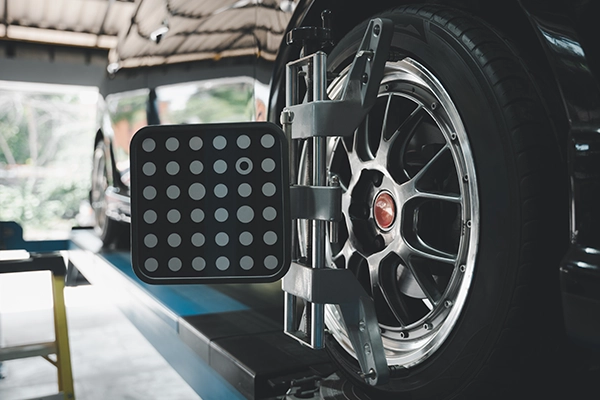
- Computerized wheel alignments
- Tire rotations
- Tire balancing
- Tire inspections and tread checks
- Flat and puncture evaluation
- Tire pressure monitoring system (TPMS) service
Smooth Driving Starts Here
Our Technicians will inspect your tires and alignment, walk you through what they find, and recommend the right service to keep your ride smooth and safe. Pairing an alignment with regular rotations is one of the simplest ways to get the most from your tires.
Give us a call or schedule online at one of our four locations and see why we offer “The Best Service Under the Sun!”
How to Find Us
Alignment & Tires FAQs
How often do I need a wheel alignment?
A good rule of thumb is once a year, or any time you get new tires. It’s also worth checking after hitting a significant pothole or curb, or if you notice pulling or uneven tire wear.
What's the difference between tire balancing and alignment?
Balancing corrects weight distribution around the wheel and tire so they spin smoothly, which fixes vibration. Alignment adjusts the angles of the suspension so the tires meet the road correctly, which affects steering and tire wear. Many vehicles benefit from both.
How often should tires be rotated?
Every 5,000 to 7,500 miles for most vehicles, which lines up nicely with a regular oil change. Rotating tires helps them wear evenly and get closer to their full expected life.
How do I know when my tires need to be replaced?
Check the tread depth. Anything at or below 2/32 of an inch is legally worn out, and traction on wet Oregon roads drops well before that point. Cracking, bulges, or uneven wear are also reasons to have the tires looked at.
Will an alignment fix my steering wheel being off-center?
In most cases, yes. An off-center steering wheel while driving straight is one of the most common signs that alignment angles have shifted. We’ll verify there isn’t a worn suspension component causing it first.